

Mbarara City FC at 10: A Decade of Resilience, Struggle and Ambition
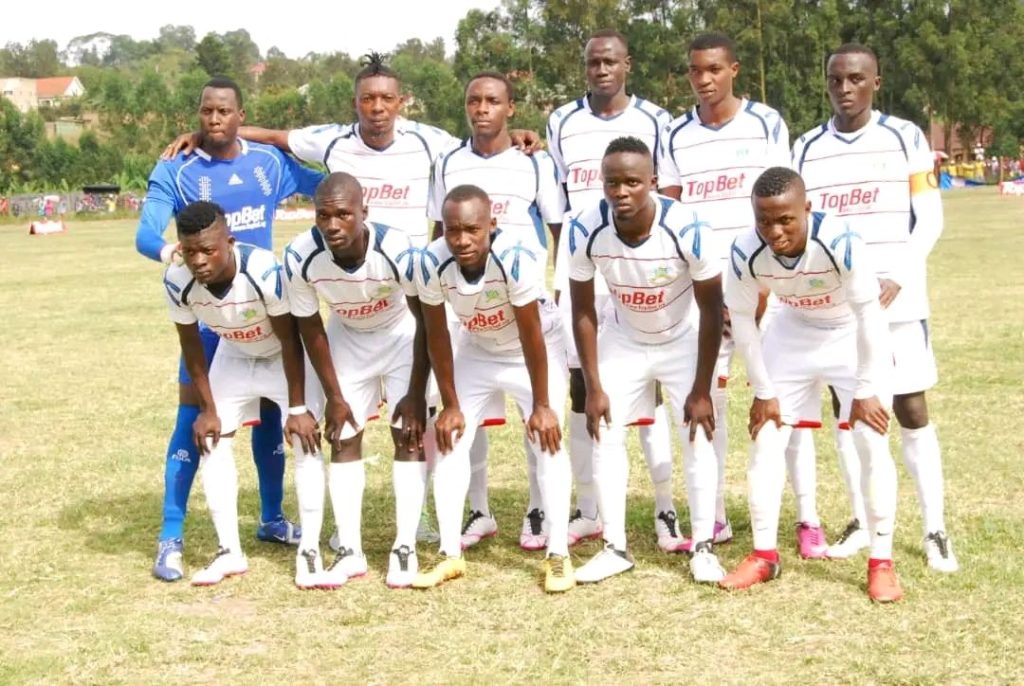
Ten years is a log time in football.
For Mbarara City Football Club, the journey from a new name in Ugandan football to an established Uganda Premier League side has been anything but straightforward. There have been moments of promise, difficult seasons, boardroom challenges, financial struggles, changes in leadership and coaching, but also survival, memorable victories and a growing identity across Western Uganda.
As the club prepares to mark 10 years since the birth of Mbarara City FC on August 25, 2026, its story is best described as one of resilience.
The club traces its roots to Citizens FC and the wider restructuring that produced Mbarara City in 2016. Its rise was remarkably quick.
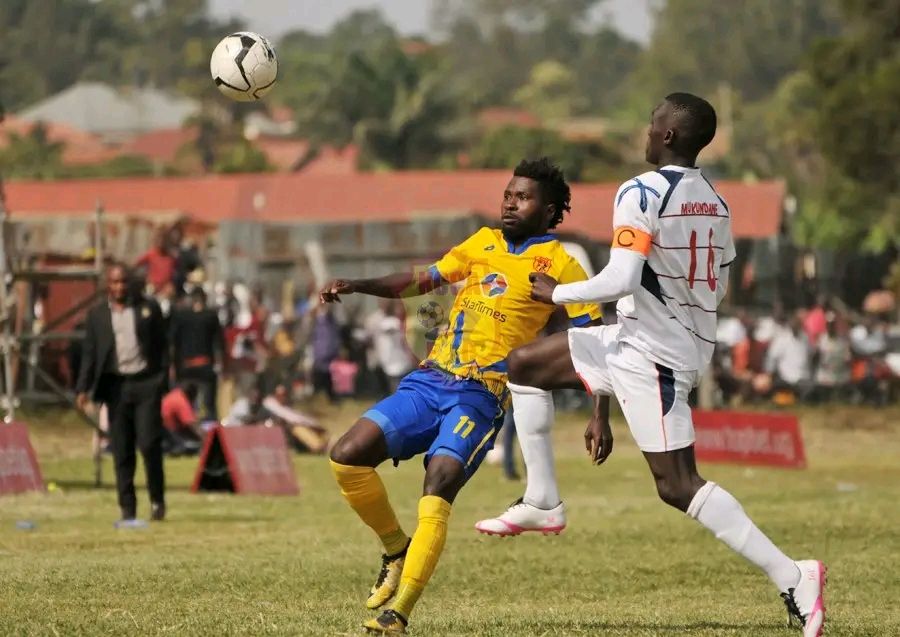
In the 2016/17 FUFA Big League season, Mbarara City finished third in the Rwenzori group before defeating Ndejje University on penalties and then overcoming Synergy FC 2-1 in the promotion playoff final to earn a place in the top flight.
That promotion opened a new chapter for football in Mbarara.
The arrival on the big stage
Mbarara City made its Uganda Premier League debut in the 2017/18 season, becoming the only Western Ugandan club among the 16 top flight teams at the time.
The Ankole Lions did not arrive merely to make up numbers.
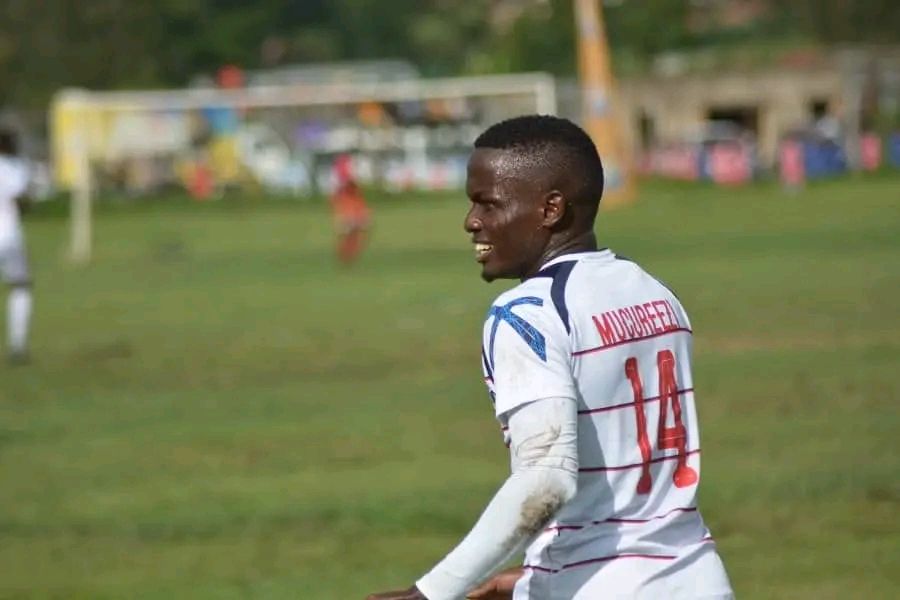
Their first UPL match ended in a goalless draw against BUL before they registered their first victory against Express FC, courtesy of Pistis Barenge’s goal. They eventually finished 11th, securing their top flight status.
Survival was the immediate objective, but the club quickly demonstrated that it could compete with some of Uganda’s traditional giants.
Meetings with KCCA FC, for example, became competitive affairs. Mbarara City held the Kampala giants to several draws and famously defeated them 2-1 at Kakyeka Stadium in November 2019.
From survivalists to genuine contenders.
Perhaps the most exciting period of the early Mbarara City story came during the 2018/19 campaign.
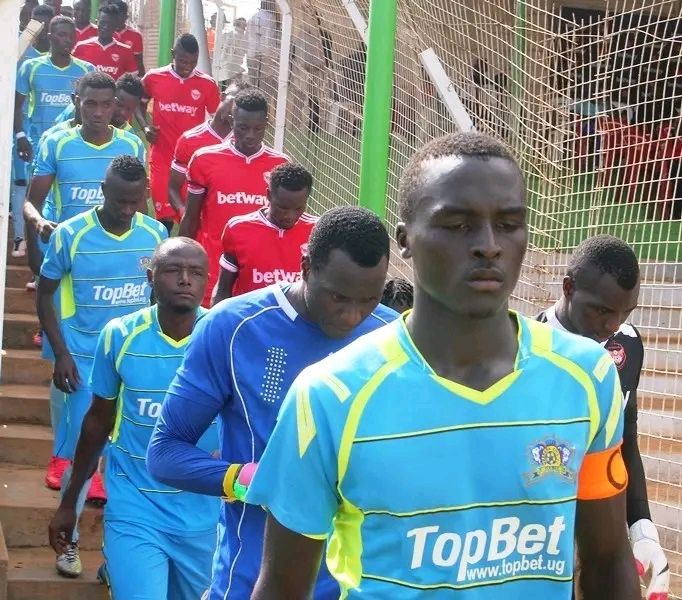
The club initially faced exclusion from the Premier League after failing a ground inspection, but successfully appealed and returned to the competition. Once back, Mbarara City produced one of its most impressive starts.
At one stage, the Ankole Lions climbed to the top of the league table after eight matches, with Paul Mucureezi’s goal against BUL sending the club into an unprecedented position.
For a relatively young club, sitting above established names in Ugandan football was a statement that Mbarara City was capable of more than simply fighting relegation.
The following 2019/20 season further strengthened that belief. When the campaign was halted because of the COVID 19 pandemic, Mbarara City sat seventh with 36 points from 25 matches.
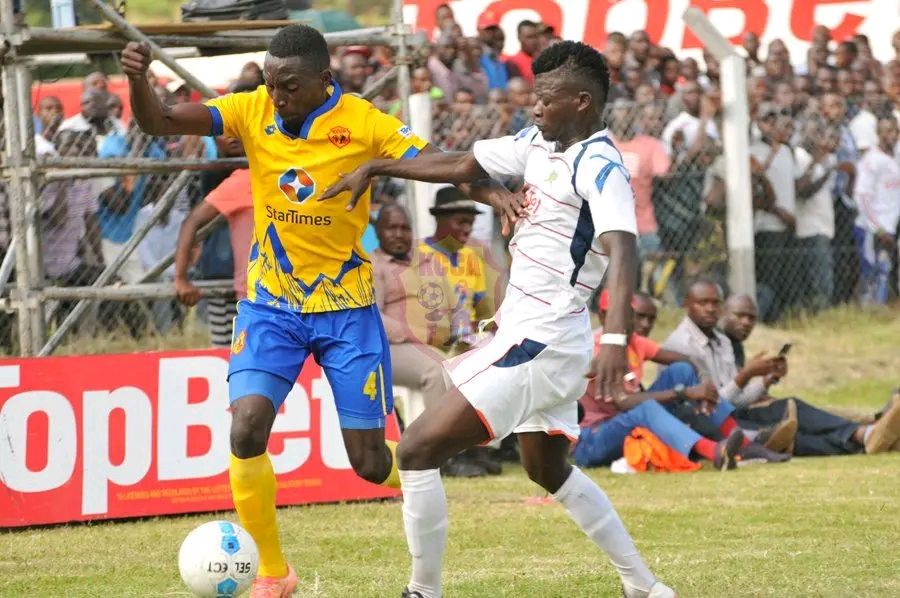
It was arguably one of the club’s strongest top flight campaigns in what we can term as one of the difficult years.
But football rarely allows a club to remain at its peak indefinitely.
Mbarara City’s decade has also been defined by instability.
Changes in technical leadership, squad rebuilding and financial pressures have repeatedly tested the club’s foundations. The challenges became particularly visible during the 2025/26 season.
At one point, the club’s situation became so difficult that Mbarara City travelled to a league match against Lugazi with only 11 players on the team sheet, while forward Clinton Kamugisha was forced to play in goal. The episode became a powerful illustration of the difficulties facing the club.
On the pitch, results were equally demanding.
Mbarara City spent large portions of the 2025/26 campaign battling near the relegation zone. A nine match winless run left the Ankole Lions in serious danger before victories against Express and Lugazi helped restore hope.
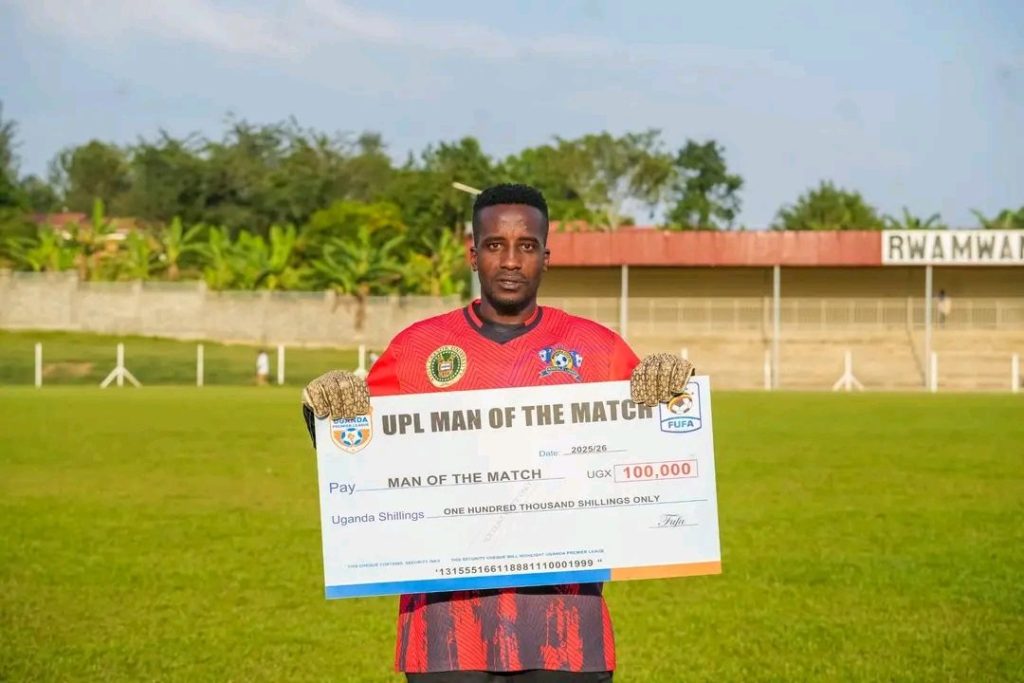
The season eventually ended with Mbarara City retaining its Premier League status, while Calvary FC and Buhimba United Saints were relegated.
For the club, survival was more than another league statistic. It was a reminder of how far the institution had come and how much work was still required to make it sustainable.
The stadium problem
Another recurring challenge has been the club’s relationship with its traditional home, Kakyeka Stadium.
For years, Kakyeka represented the heart of Mbarara City’s identity. It was where the club built its fan base and produced some of its biggest home performances.
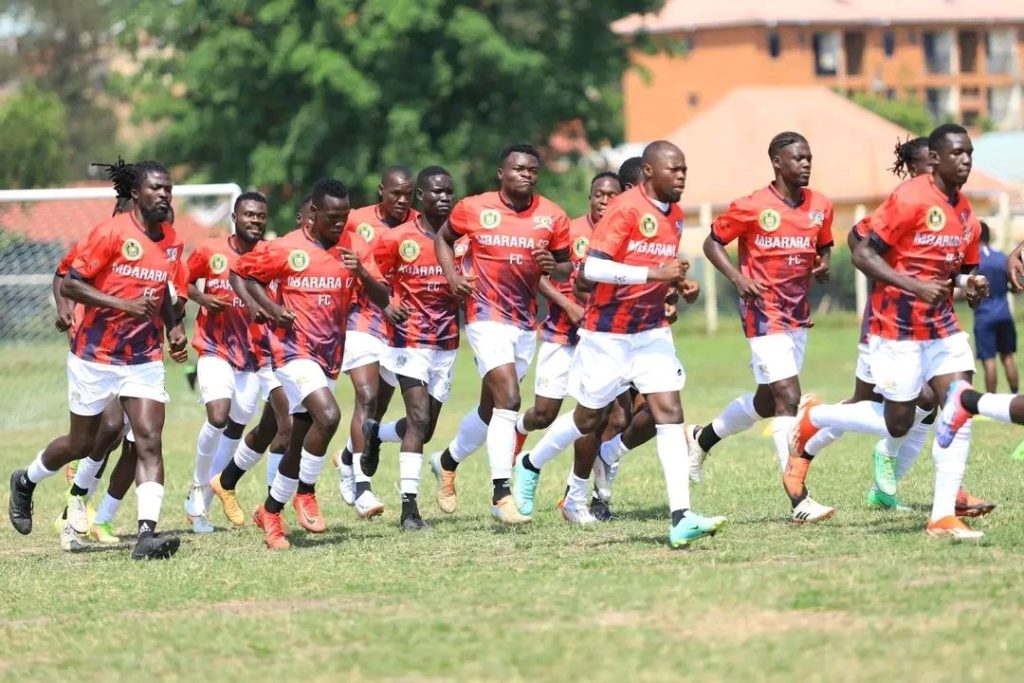
However, stadium licensing requirements have increasingly complicated the situation.
During the 2025/26 campaign, Mbarara City used Rwamwanja Stadium in Kamwenge as its home venue. The club is now seeking a return to the Ankole region, with Africa Coffee Park Stadium in Rwashamaire identified as a preferred alternative.
For a club attempting to build a strong regional identity, having a permanent and suitable home remains crucial.
More than just a football club
Despite the struggles, Mbarara City has become one of the most recognisable football institutions in Western Uganda.
Its decade in the country’s top two divisions including eight seasons in the Uganda Premier League has given young footballers in the region a pathway to top-level competition.
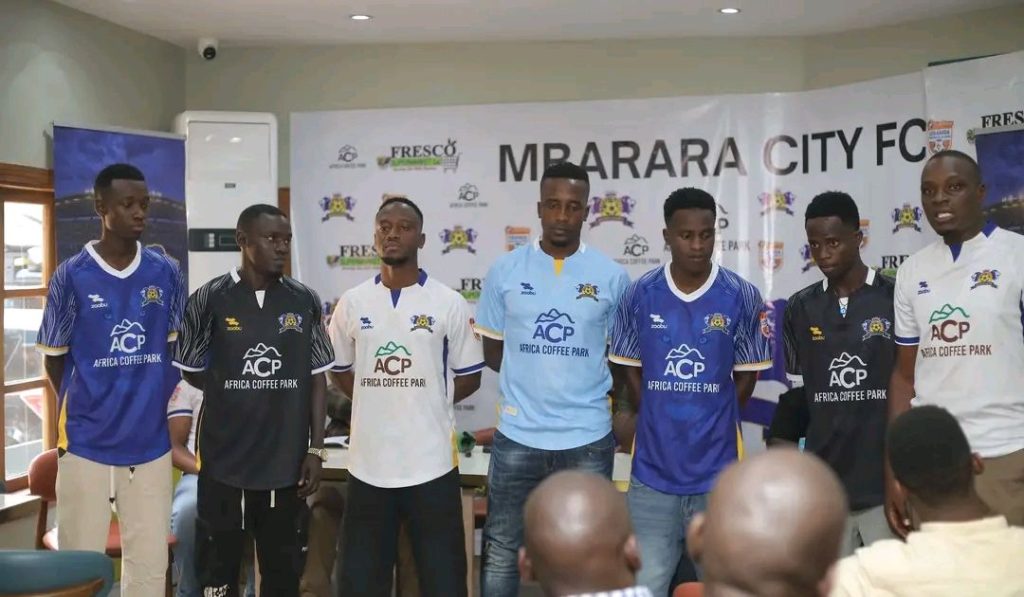
Players such as Brian Aheebwa, Ibrahim Orit, Jude Ssemugabi, Makueth Wol, Paul Mucureezi and Hilary Mukundane have all featured prominently for the club at different stages, contributing to its identity and development.
The club has also developed a loyal following stretching beyond Mbarara into districts across Ankole and Western Uganda.
A new chapter at 10
The tenth anniversary arrives with perhaps the boldest vision in the club’s history.
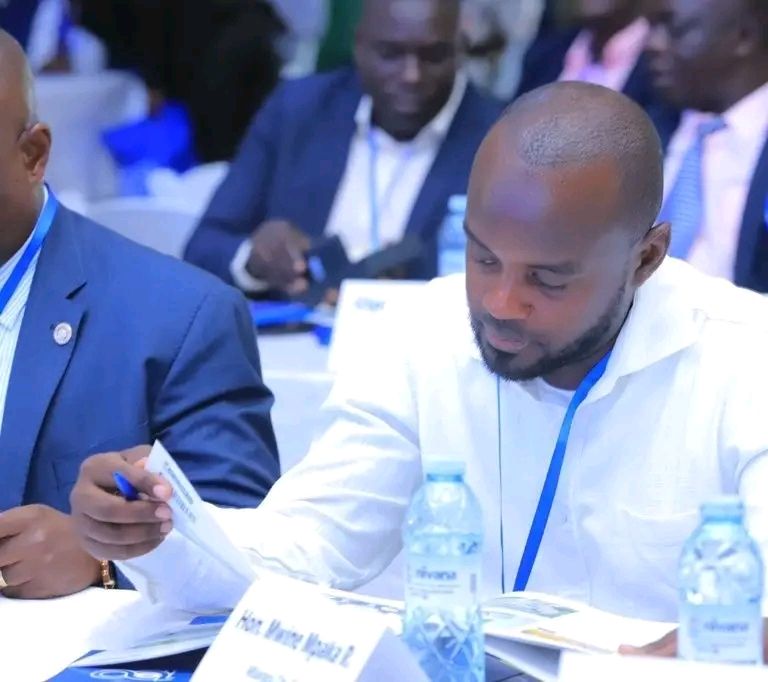
New leadership under club president and board chairperson Hon. Mwine Mpaka is seeking to reposition Mbarara City as a club representing the wider Ankole region rather than Mbarara alone.
The club is consulting supporters and stakeholders over a possible rebrand, while Africa Coffee Park has committed to a four-year shirt sponsorship deal.
Even more ambitious is the sporting target.
After years of fighting for survival, Mbarara City now says its objective is to challenge for the Uganda Premier League title.
That ambition is backed by early recruitment, with the club bringing in players including Brian Aheebwa, Rogers Mugisha, Ivan Bogere, Eric Tumwine, Iran Musinguzi, Akoragye Hassan, Solomon Okwalinga and Mahad Rashid.
It is a significant change in mentality.
The question is no longer simply whether Mbarara City can survive.
It is whether the club can transform its survival mentality into a culture of competing for honours.
Ten years, many battles and a future to fight for
Mbarara City’s first decade has not produced a major national trophy. But trophies are not the only measure of a football club’s importance.
From the promotion playoff victory over Synergy in 2017 to reaching the top of the Premier League table in 2018, from memorable victories over established clubs to painful battles against relegation, the Ankole Lions have experienced almost every emotion Ugandan football can offer.
The club has survived exclusion threats, licensing challenges, financial difficulties, venue problems, coaching changes and relegation battles.
And it has survived them all.
Now, at 10, Mbarara City stands at another crossroads.
The proposed regional rebrand, new sponsorship, new leadership, recruitment drive and search for a permanent home represent an opportunity to turn a decade of survival into a decade of growth.
The first ten years were about establishing Mbarara City.
The next ten could determine whether it becomes one of the great football institutions of Ankole and Uganda.
For a club that has already climbed from the lower divisions to the country’s top flight, the dream of reaching the summit may no longer be as distant as it once seemed.
Ten years down. The real challenge begins now.