

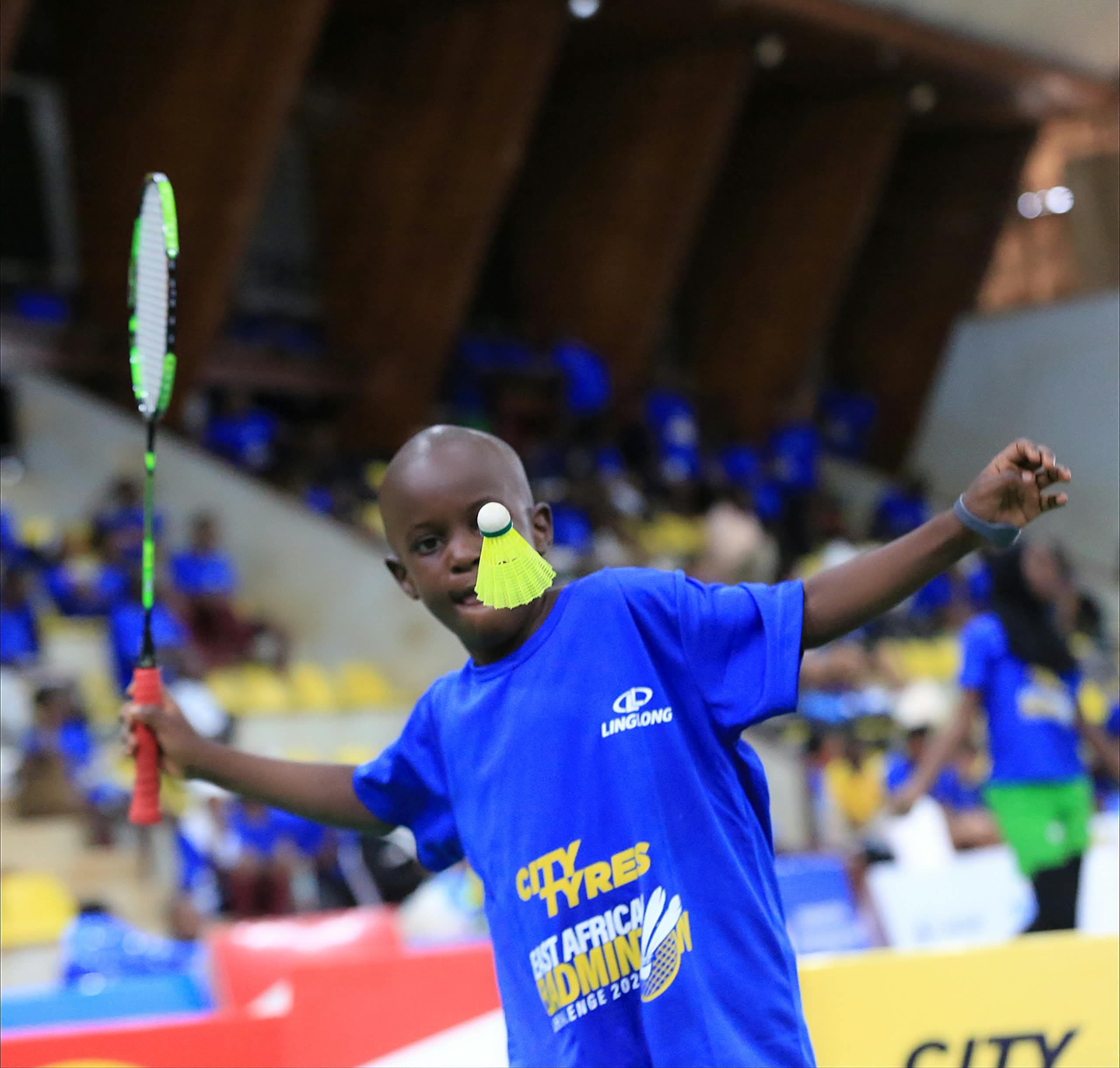
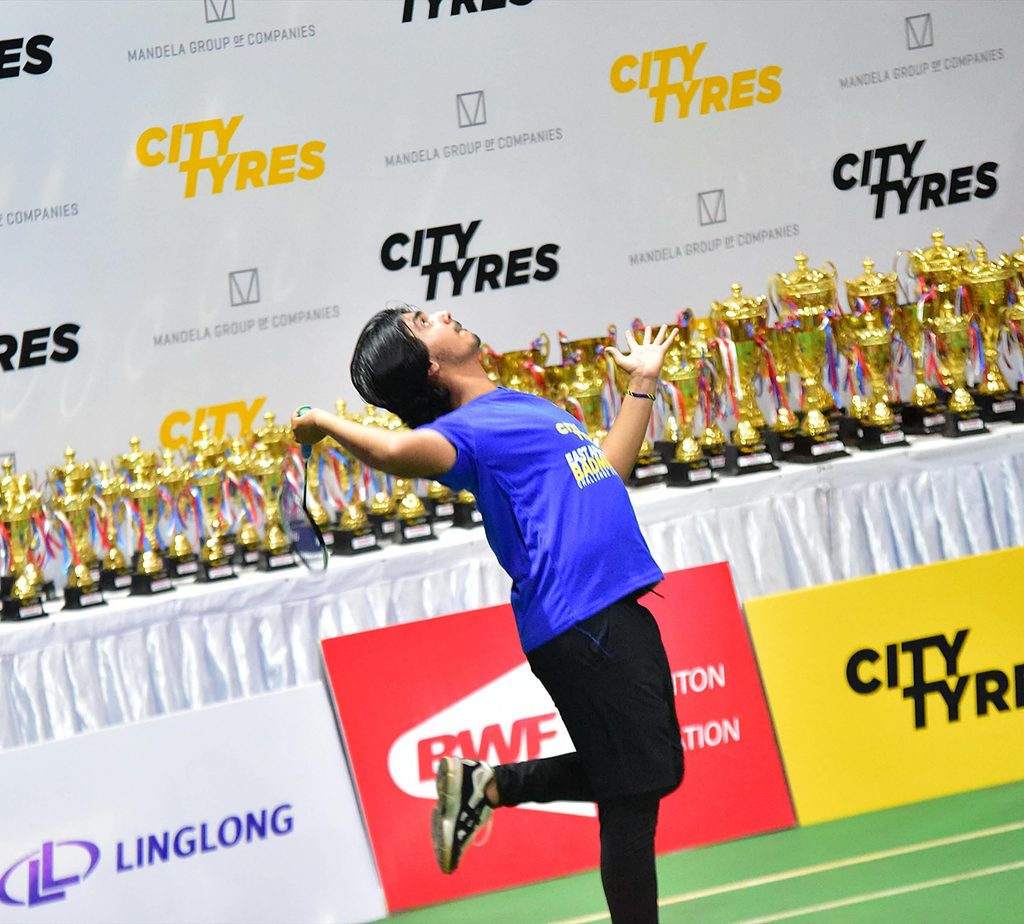
The City Tyres East African Badminton Championship 2026 is offering Uganda’s young players more than a chance to win trophies and bicycles, with the tournament also providing a platform to make friends, discover talent and inspire the next generation of badminton stars.
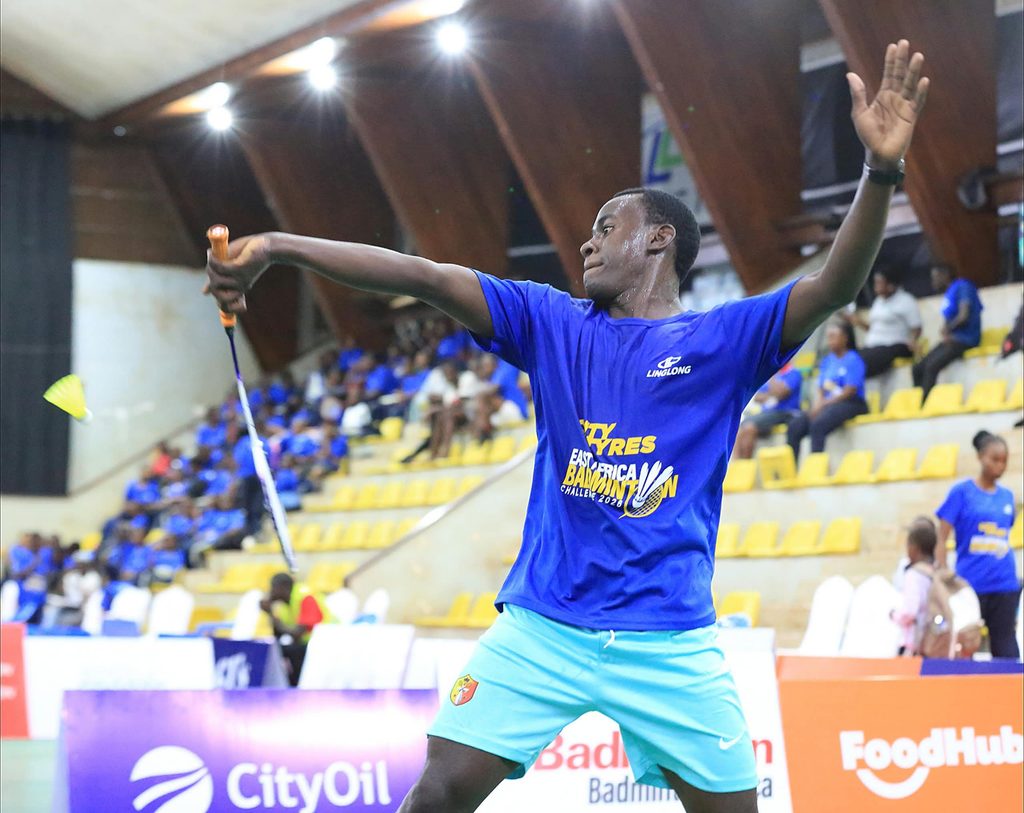
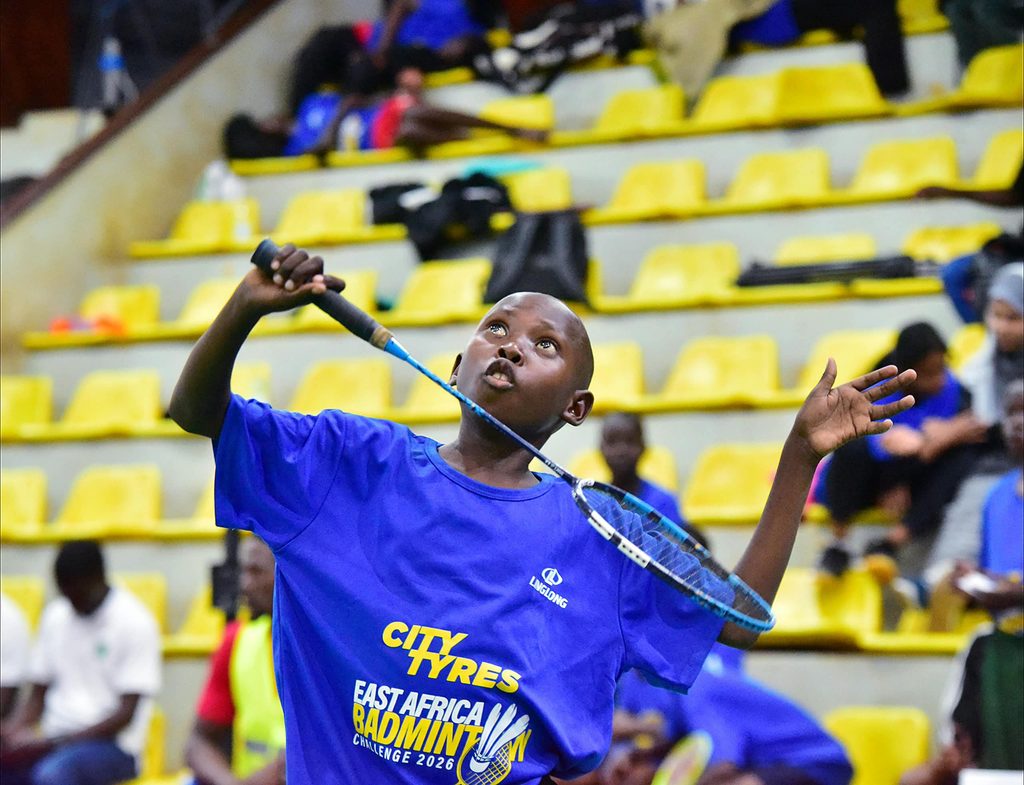
Currently underway at the Lugogo Indoor Arena in Kampala, the championship, running from October 14 to 18, has brought together players from different schools and backgrounds, giving children an opportunity to compete beyond their familiar surroundings while developing their love for the game.
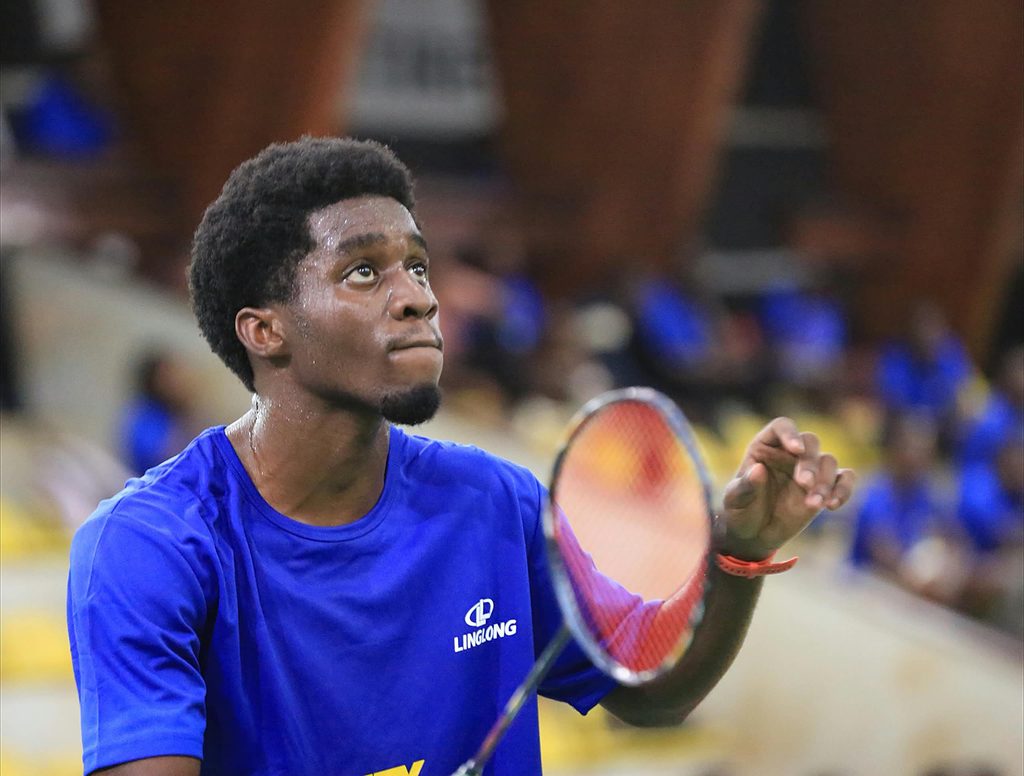
For many of the youngsters, the experience begins long before they step onto the court. Travelling on a bus with teammates, wearing school colours and exploring a new environment adds to the excitement, while every rally, point and victory becomes part of their sporting journey.
Beyond the competition, the tournament offers a valuable opportunity for children to interact with their peers, learn from more experienced players and test their abilities against unfamiliar opponents.
Uganda hosts international competitions such as the Uganda International, Uganda Junior International and Kampala International Future Series, but opportunities for regular local competition remain limited.
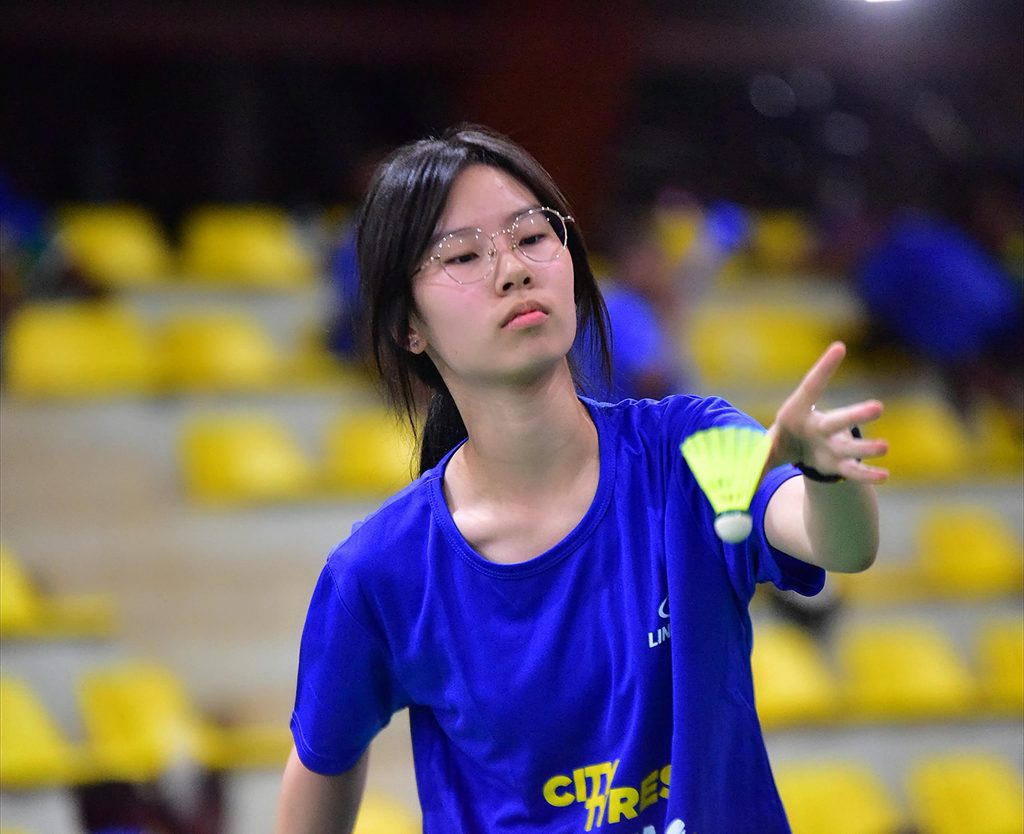
The City Tyres East African Championship therefore provides an important platform for nurturing grassroots talent.
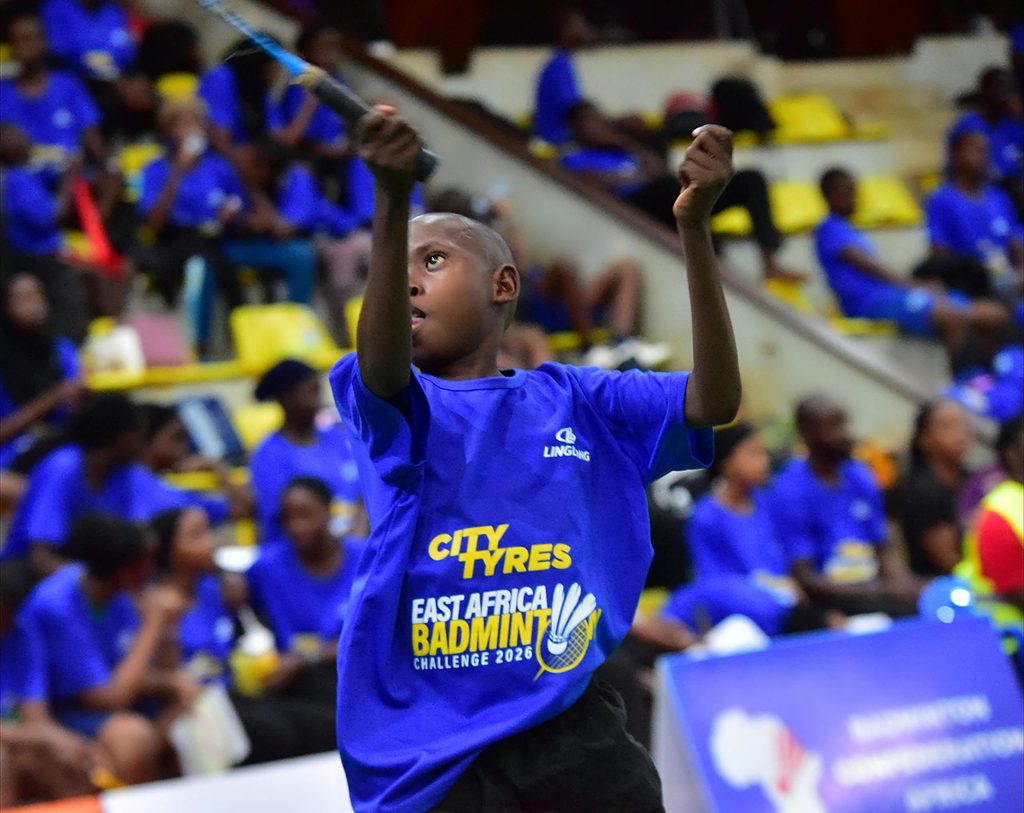
The fast-paced nature of badminton, which combines speed, coordination and agility, also makes it attractive to children. With rackets in hand and shuttlecocks flying across the court, the youngsters get an opportunity to exercise, learn discipline and enjoy the game.
Among the players drawing attention across the different categories are Tracy Naluwooza, Sharifah Mbabazi, Muzafaru Lubega and Reagan Nsubuga, alongside many other emerging talents.
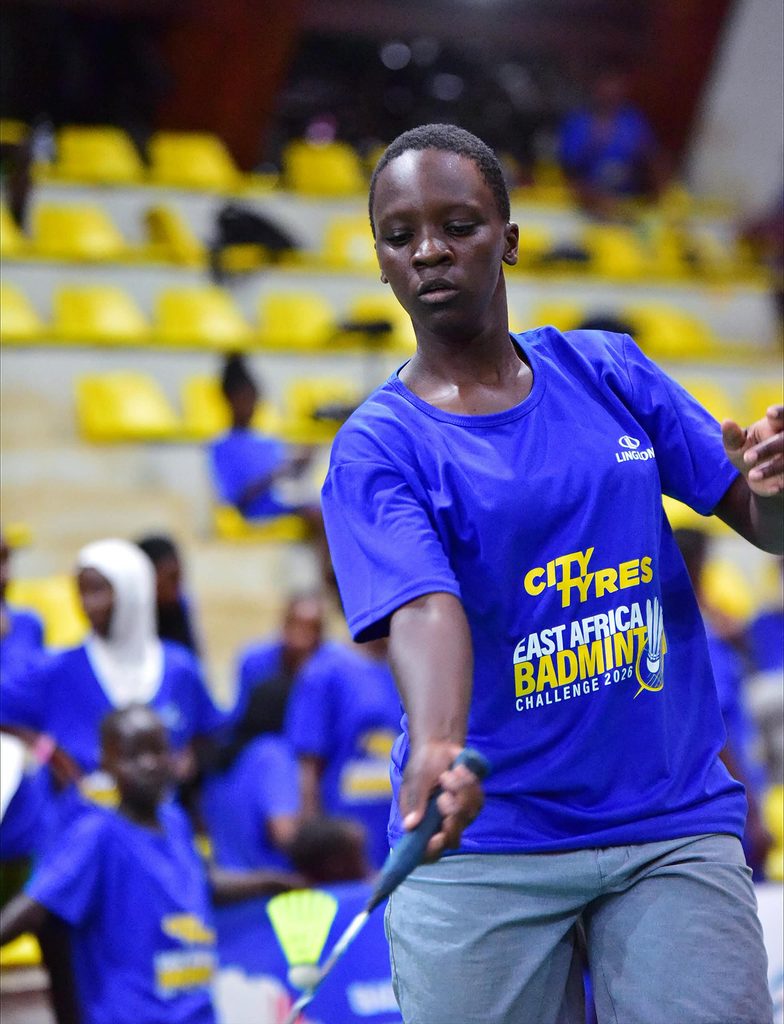
For some participants, the championship is about making new friends and enjoying the experience. For others, it is an opportunity to demonstrate their potential in front of coaches and schools that could offer them a pathway to further development.
Former players step into coaching
Behind the action is a growing group of former and active players who are helping to introduce badminton to younger generations through school coaching.
Many senior players who have undertaken coaching courses have turned to schools to share their experience and technical knowledge. To be recognised by the federation as a school badminton coach, one must possess a Level One coaching qualification.
Mable Namakoye is among those combining competitive badminton with coaching responsibilities. A former women’s doubles medallist at the Kampala International Future Series and Uganda International Badminton Series, she currently coaches at Olive School Namugongo.
Although coaching children can be demanding, Namakoye says their enthusiasm and constant need for attention make the experience both challenging and rewarding.
“Every after 30 seconds, you will hear a shout calling coach,” she says.
The youngsters are often curious about how other players perform and want explanations when they feel they are not playing at the same level.
One of Namakoye’s biggest challenges comes when a player is awarded a walkover, as the children would rather be on court competing than sitting out.
“A child never listens when they are awarded a walkover. They always want to be on court and play since it’s always a roller coaster of games and they are given very little time to play,” she says.
Despite the organisational demands, Namakoye appreciates the children’s willingness to listen to instructions before matches and their eagerness to interact with players from other schools.
Active player Shelton Tayebwa shares a similar experience at Shree Sahajanand School Uganda, where he also coaches badminton.
Their involvement reflects a growing commitment among players to give back to the sport by passing on their knowledge while continuing to pursue their own competitive ambitions.
Other former players who have taken up coaching include Allan Nkire, Derrick Odoch, Gerald Katushabe and Adam.
Kabindi backs former players
Uganda national team coach William Kabindi believes the growing involvement of former players in coaching is a positive development for badminton, particularly at grassroots level.
Through his work at Mbogo High School, Kabindi has continued to nurture young talent. He says it is rewarding to see players he has coached eventually take responsibility for introducing the game to children.
“For we who love the game, it makes us happy to see players we have coached and nurtured do enough to take the game to the children,” he says.
“This shows that the game has a bright future and a good foundation.”
Kabindi believes players who have competed at different levels possess practical knowledge that can make them effective coaches.
“For a person who has played the game and coaches it, it’s different from one who has learnt it theoretically and come into coaching. Therefore, I uphold Mable and Shelton and urge them to continue going,” he says.
However, he acknowledges that balancing coaching with competitive badminton can be difficult, especially when working with young children requires considerable time and attention
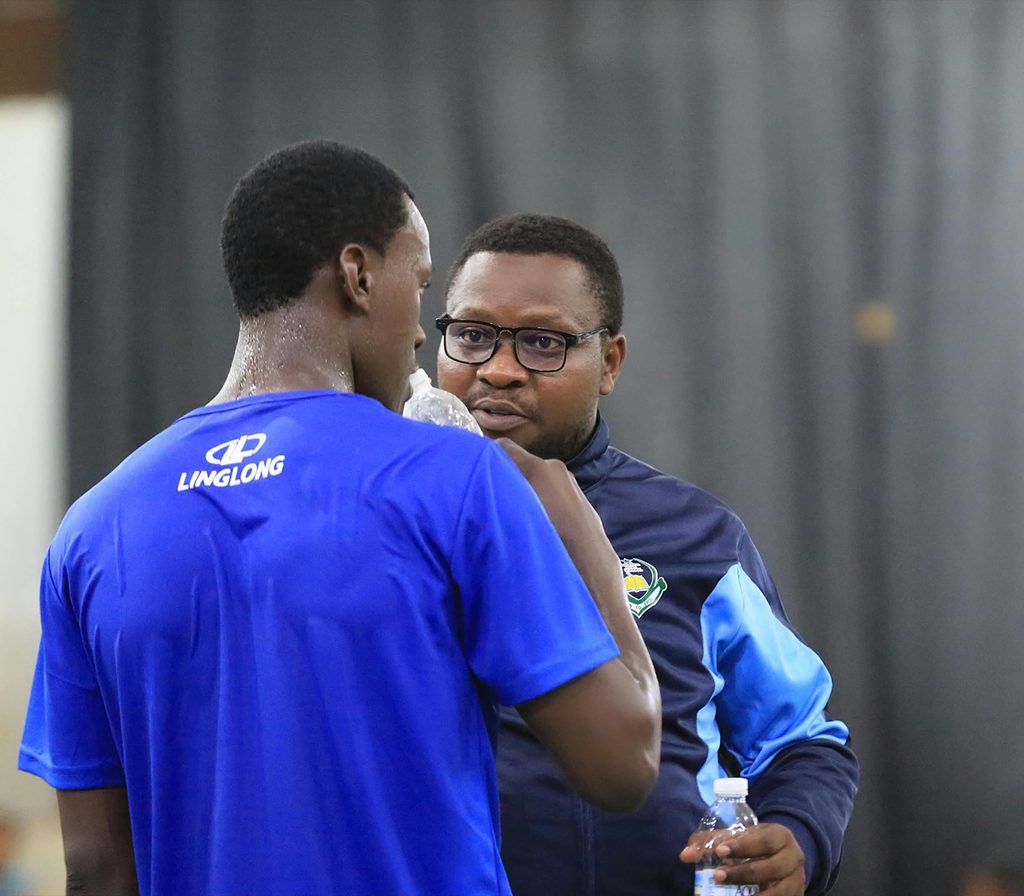
“If you’re a very active player, it’s very hard. If one is training kids, it’s a very good service, but it takes a bit from you,” Kabindi says.
He explains that badminton depends heavily on muscle memory, with repetition helping players develop the movement, timing and coordination required to perform consistently.
While children benefit from regular practice, coaches who remain active competitors must also protect time for their own training to maintain their sharpness on court.
“Badminton is a muscle-memory game. In that way, the kids gain twice, but it deteriorates the players in movement,” he says.
Coaching creates opportunities for players
Beyond developing young talent, Kabindi believes school coaching can provide players with an additional source of income to support their competitive careers.
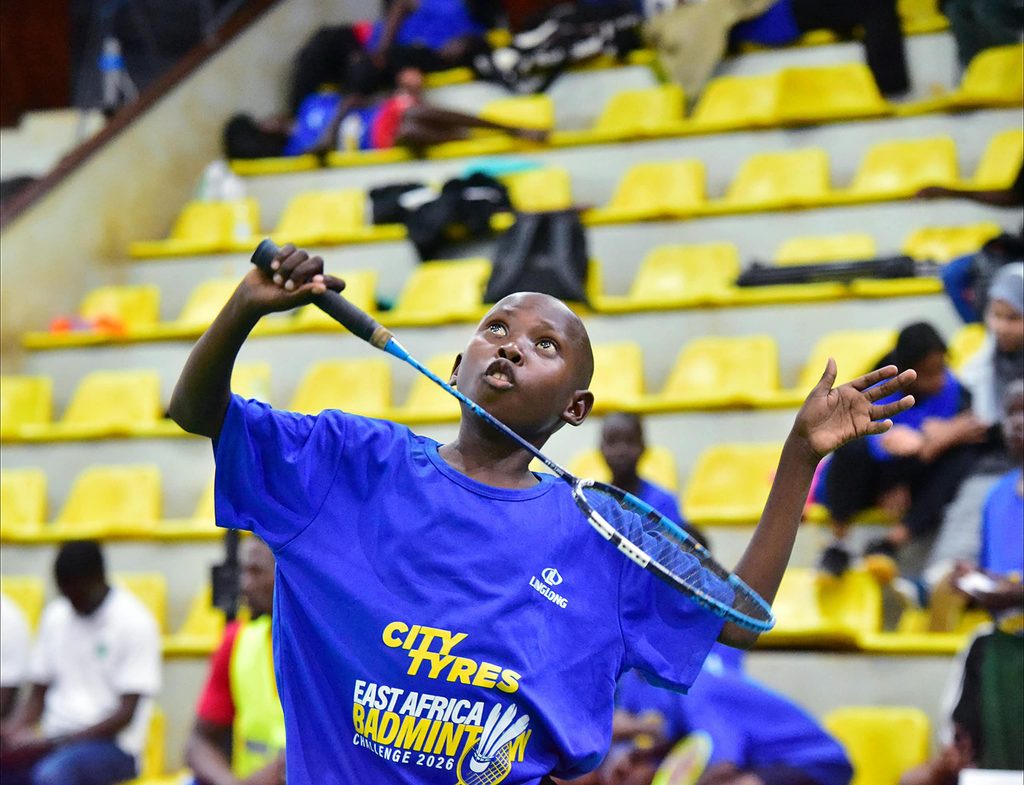
The costs of badminton, including rackets, shoes, food and other essentials, can be difficult for some players to meet. Coaching offers an opportunity to earn money while contributing to the sport’s growth.
For active players such as Namakoye and Tayebwa, however, success depends on balancing their coaching commitments with personal preparation.
Kabindi says some players have to complete sessions with children before heading to Mbogo High School or Sharing Youth Centre for their own training, creating long days that demand discipline and careful time management.
The benefits extend beyond the court. School competitions can expose talented youngsters to coaches and institutions looking for promising players, potentially opening doors to further training and development.
Thirteen categories bring badminton community together
The City Tyres East African Badminton Championship features 13 category groupings, including boys’ and girls’ Under-10, Under-13, Under-15 and Under-19 competitions, boys’ and girls’ doubles, Professionals, Corporates, Chinese, Coaches, Indians, Veterans and Universities.
The broad range of categories brings together children, experienced players, coaches and participants from different backgrounds, creating an environment where younger competitors can learn from the wider badminton community.
For the youngsters, the championship offers the thrill of competition, new friendships, the possibility of winning a trophy or bicycle and a welcome break from the classroom.
For Namakoye, Tayebwa and other players who have embraced coaching, it is also an opportunity to help shape the future of a sport they love.
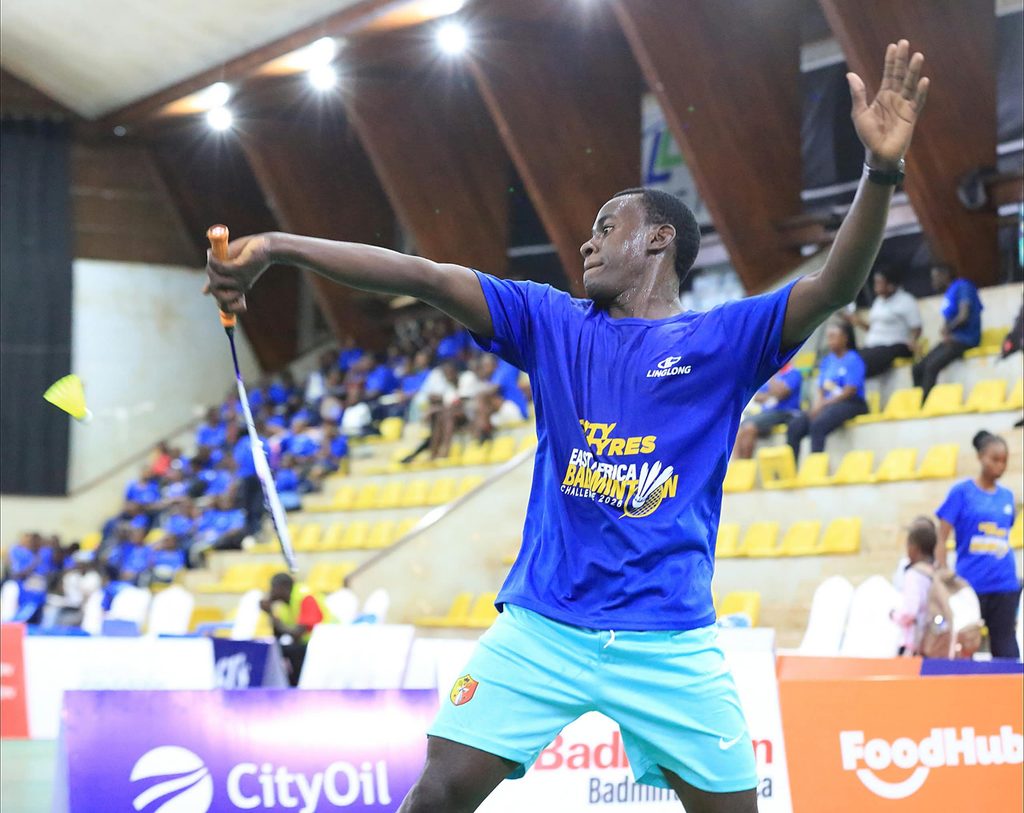
As the championship continues at Lugogo, its lasting contribution could extend beyond the winners’ podium, with the experience inspiring more children to take up badminton and more players to invest in developing Uganda’s next generation of talent.